

City Council urges governor to reject federal voucher funds
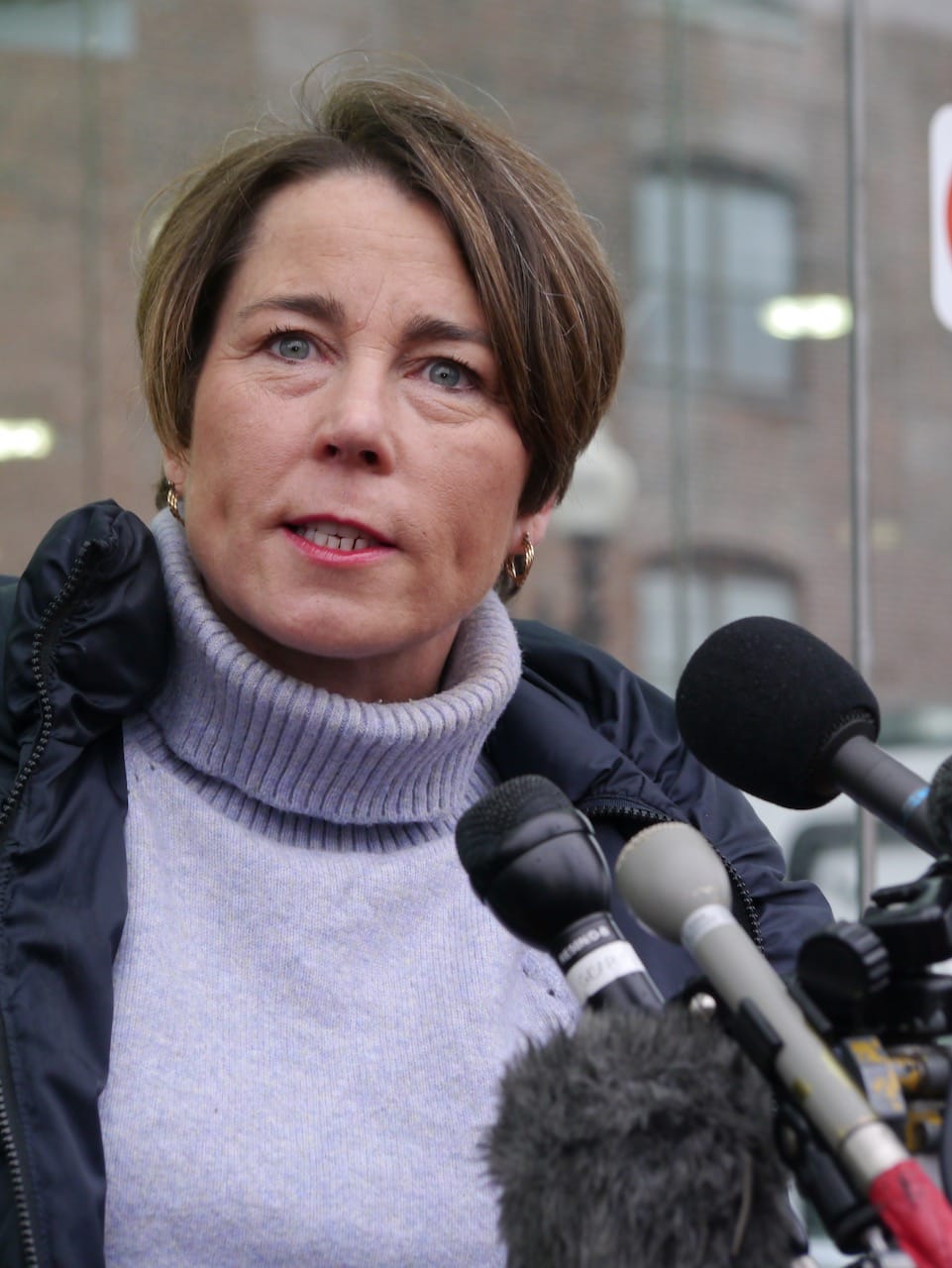
Twelve Boston City Councilors voted in favor of a resolution urging Gov. Maura Healey not to opt into a federal school voucher program critics say will direct federal education funds to private schools.


Twelve Boston City Councilors voted in favor of a resolution urging Gov. Maura Healey not to opt into a federal school voucher program critics say will direct federal education funds to private schools.
The Trump administration’s Federal Scholarship Tax Credit Program would enable individuals to donate to so-called scholarship granting organizations which could then pass on funds to families for tuition and private and parochial schools as well as to tutoring and afterschool programs that serve students including those who attend public schools. Families earning up to 300% of the area median income would qualify for the scholarships. In Massachusetts, eligible families could earn more than $500,000 and receive the funding.
Councilors said the program would divert federal dollars that have long supported public education to private institutions. District 6 Councilor Ben Weber, who sponsored the resolution, called the tax credit “a backdoor federal voucher scheme.”
“Republicans have long sought to dismantle public education,” he said. “They want to let the free market decide, especially when it benefits the wealthy.”
Every council member but District 8 Councilor Sharon Durkan signed onto the resolution. Durkan voted “present.”
Supporters of the program say it would benefit public school students, enabling them to access afterschool programs and tutoring. A group called the Massachusetts Education Opportunities Coalition, which launched in April, has been lobbying Healey to opt into the program, which launches Jan. 1, 2027.
Coalition members include hedge-fund backed education reform advocacy organizations such as Educators for Excellence, the National Parents Union and Excel in Ed Action, as well as advocacy groups for Catholic schools and Jewish day schools and several foundations including The Boston Foundation, the Lynch Foundation and the Somerville Foundation. Other members include We Are ALX, the Pioneer Institute, Embrace Boston and Inquilinos Boricuas en Accion.
Teachers unions, school committee members and civil rights groups have come out against the voucher program, arguing that it would drain funding from public schools. Individuals and families claiming the tax credit would be reimbursed directly from the U.S. Treasury. But the program comes after the Trump administration and Republican dominated Congress have slashed federal education funding.
“We need to ensure our schools are fully funded,” said District 2 Councilor Ed Flynn. “This type of proposal would have a devastating impact on public education in this city.”
Boston Public Schools received more than $100 million in federal funding in the 2025 fiscal year.
Governors are required to opt in to the Federal Scholarship Tax Credit Program for schools and programs in any given state to be eligible to receive the funding. So far, Republican governors have opted in, but 18 Democratic governors have not done so. In Virginia, Gov. Abigail Spanberger reversed a decision by her Republican predecessor in office who opted the state into the program.
In Massachusetts, Healey has not indicated whether she will opt into the program. Following the Treasury Department’s October release of guidelines on the program, Healey and other Democratic governors penned a letter to the department seeking clarification on how states can counter fraud in the program and ensure funds are going to families most in need.
In response, the acting chief counsel for the department, Kevin Salinger, affirmed that states would be responsible for regulating the scholarship granting organizations that can operate in multiple states, but also noted that the Trump administration has no plans to help states with the financial burden of administering the program.
Asked for clarification on which services for public school students would be eligible to receive the voucher funds, Salinger gave no answer.
“We have received numerous stakeholder comments on these issues and are considering them as we develop that guidance,” he wrote in response.
American Federation of Teachers Massachusetts President Jessica Tang urged Healy to opt out of the program.
“This latest correspondence from the Department of the Treasury makes it abundantly clear that in order to maintain accountability and ensure we are supporting students most in need, the Commonwealth has no choice but to opt-out of the federal government’s school voucher scheme,” she said in a statement sent to news media.
“Every time a state opts-in, it means less funding for communities in need, including our gateway cities, rural school districts, and students with special needs. Using public funds to provide government subsidies to private schools is nothing more than an investment in widening the opportunity gaps we should be eliminating.”


